
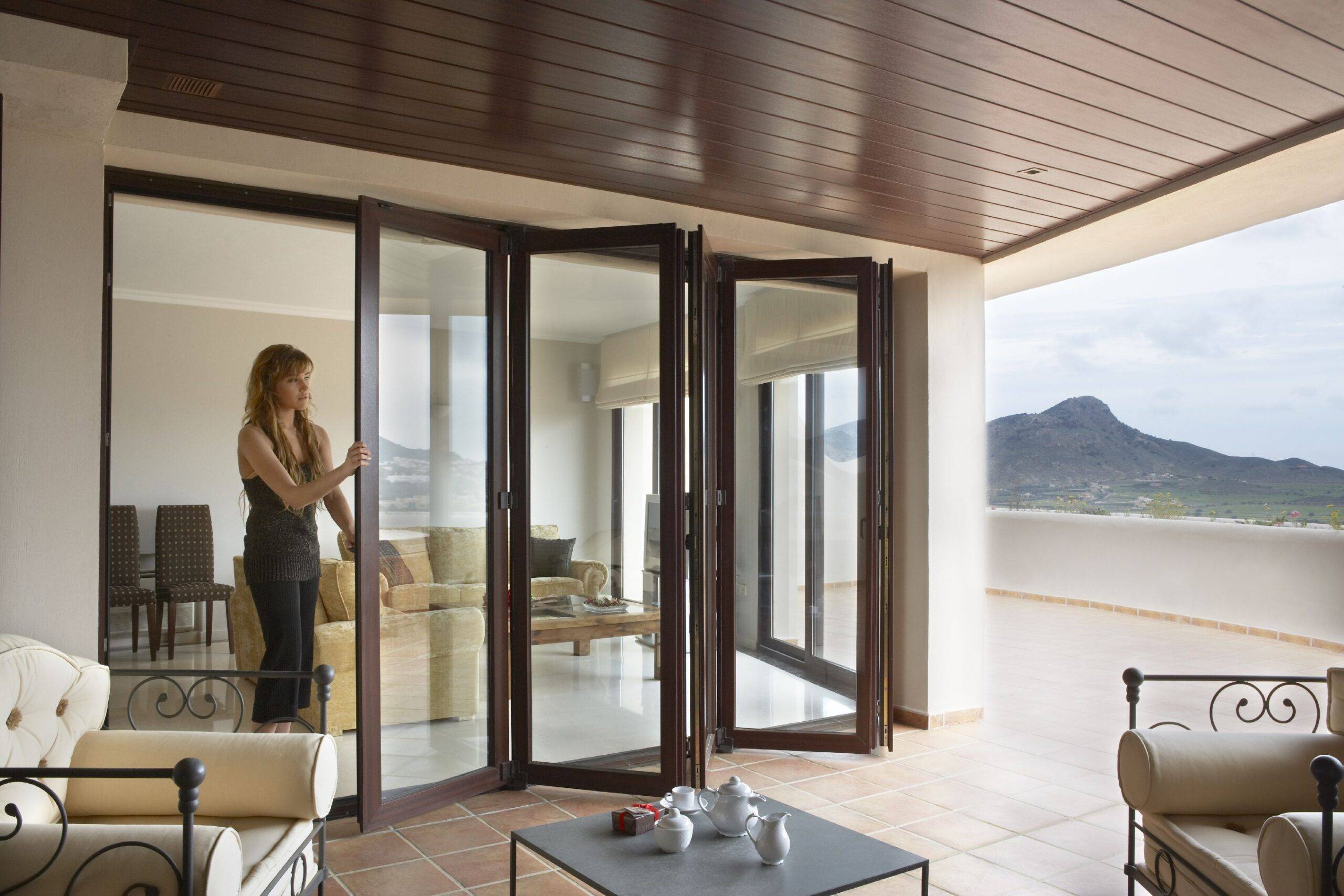
Sliding and fold doors are often one of those decisions people make quickly, thinking of them as just another functional element in the home. But these doors quietly shape how you experience space every single day. They decide how light enters your living room in the morning, how open your home feels when guests arrive, and how connected you feel to the outside world when you step into your balcony or garden.
In many modern homes, rooms are no longer meant to be closed boxes. People want movement, openness, and flow. Sliding and fold doors support this shift by removing visual and physical barriers between spaces. When chosen thoughtfully, they do not just change how a home looks. They change how it feels to live in.
What Are Sliding and Fold Doors and How They Work
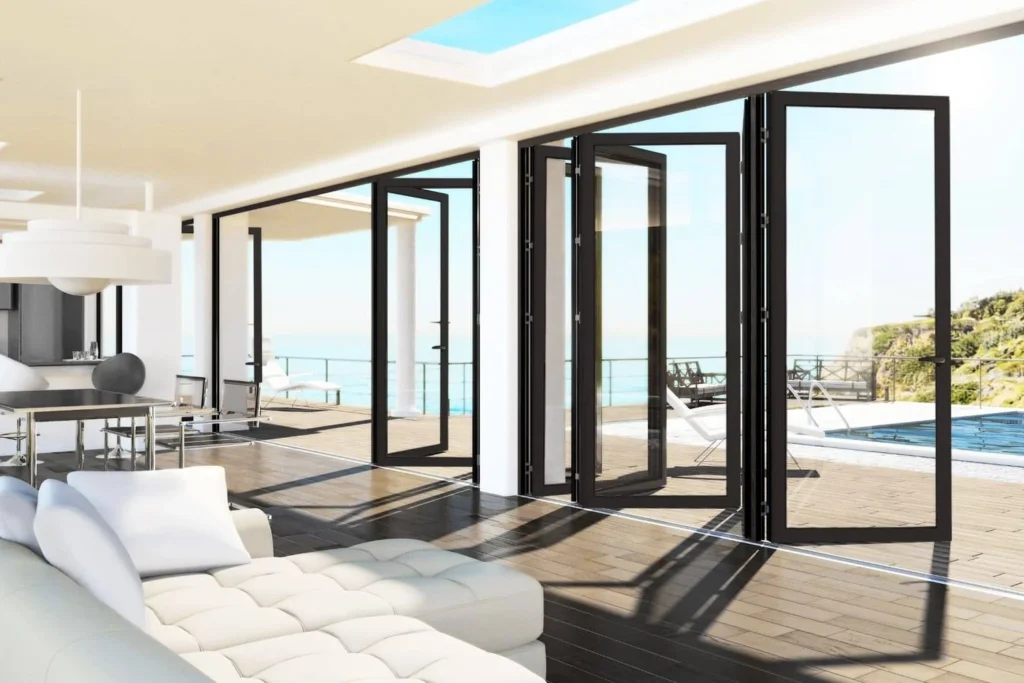
Sliding and fold doors are designed to create wider openings than traditional hinged doors. Sliding doors move along a track and stack neatly in a line, which keeps the opening clean and visually simple. Fold doors open by folding panels to one side, allowing a larger portion of the wall to open up when needed.
The difference may sound technical, but the experience is emotional. Sliding doors feel calm and understated. Fold doors feel expressive and expansive. Both options bring in more natural light and make spaces feel less confined. Over time, this sense of openness becomes part of the daily comfort of a home.
Sliding and Fold Doors for Modern Home Layouts
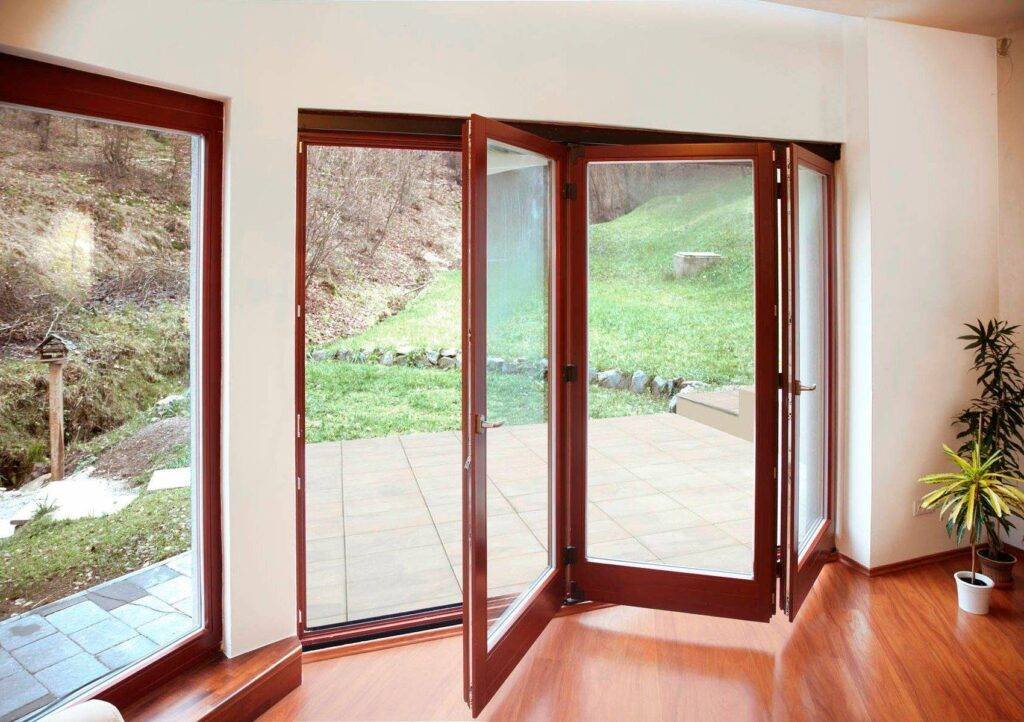
Sliding and fold doors are commonly used in living rooms that open onto balconies, patios, or terraces. This connection allows indoor spaces to feel larger without changing the physical footprint of the home. Even when the doors are closed, the visual link to the outdoors adds depth to the room.
In kitchens, these door systems reduce the feeling of being enclosed. Natural light flows in, and movement between the cooking area and outdoor spaces feels easier. In bedrooms, sliding and fold doors create a softer transition between private indoor zones and outdoor extensions like terraces. These placements may seem practical, but they directly influence how relaxed and open a home feels throughout the day.
Key Differences Between Sliding and Fold Door Systems
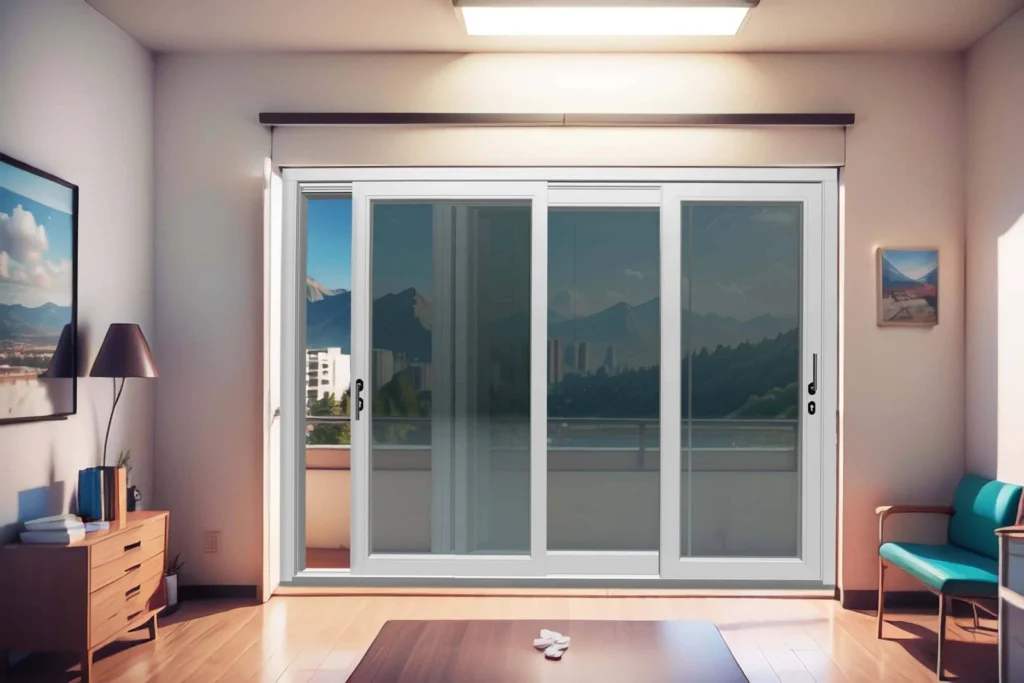
The main difference between sliding and fold door systems lies in how much of the opening they clear. Sliding doors usually leave part of the opening covered by fixed panels, which creates a consistent visual line. Fold doors can open up most of the wall, creating a more dramatic sense of openness.
Another difference is how they feel in daily use. Sliding doors are smooth and minimal. They suit homes that value clean, uninterrupted lines. Fold doors introduce more visible movement and structure when opened, which suits homes that enjoy flexible layouts and social use of spaces.
Neither system is better in every situation. The right choice depends on how you plan to use the space, how often you want the opening fully clear, and the kind of atmosphere you want your home to have.
Design and Material Considerations

The design of sliding and fold doors affects how refined or heavy they feel within a space. Slim frames allow more glass area, which helps keep rooms feeling open and visually light. Frame finishes should align with the overall interior palette so the doors blend naturally into the design rather than standing out awkwardly.
Glass quality matters more than most people realise. Good glass improves comfort by managing heat and reducing outside noise. Hardware quality affects how satisfying the doors feel to operate. Doors that glide smoothly and close securely become invisible parts of daily life. Poorly designed systems draw attention every time you use them, and not in a good way.
Installation and Maintenance Factors
Even the best sliding and fold doors will not perform well if installation is rushed or poorly executed. Proper track alignment ensures smooth movement over time. Correct sealing keeps out dust, rain, and unwanted heat, which protects indoor comfort.
Maintenance is mostly about consistency rather than effort. Keeping tracks clean and checking moving parts occasionally helps the doors retain their smooth operation. When installed and maintained properly, sliding and fold doors quietly support daily living without becoming a point of friction in the home.
Why Oyster Lifestyle Door Systems Suit Modern Homes

Choosing door systems is not just about filling an opening. It is about how you want your home to feel when you move through it. Oyster Lifestyle approaches sliding and fold doors with a focus on clean design, smooth operation, and thoughtful detailing that suits contemporary living.
Well proportioned frames, refined finishes, and attention to performance allow these doors to blend naturally into modern home environments. When door systems feel aligned with the overall design of a space, they stop feeling like installations and start feeling like part of the home’s character.
For inspiration on how large openings and modern door systems shape architecture, platforms like ArchDaily and Architectural Digest offer real world design references. Many homeowners also explore practical design ideas on Houzz when visualising how sliding and fold doors might fit into their own homes. To understand general principles of doors and building openings, resources such as Britannica provide useful background.
To explore premium window and door solutions for modern homes, you can visit https://oysterlifestyle.com/. If you are planning a renovation or a new build and want guidance on selecting the right door systems for your layout and lifestyle, you can connect at https://oysterlifestyle.com/contact.