
Introduction
You don’t really notice a bathroom diverter until something feels off.
Maybe the water doesn’t switch smoothly between the shower and the spout. Maybe you keep adjusting knobs trying to get the right flow, but it never feels effortless. In a space that’s meant to relax you, even small friction like this becomes noticeable.
That’s where a well-designed bathroom diverter quietly changes everything.
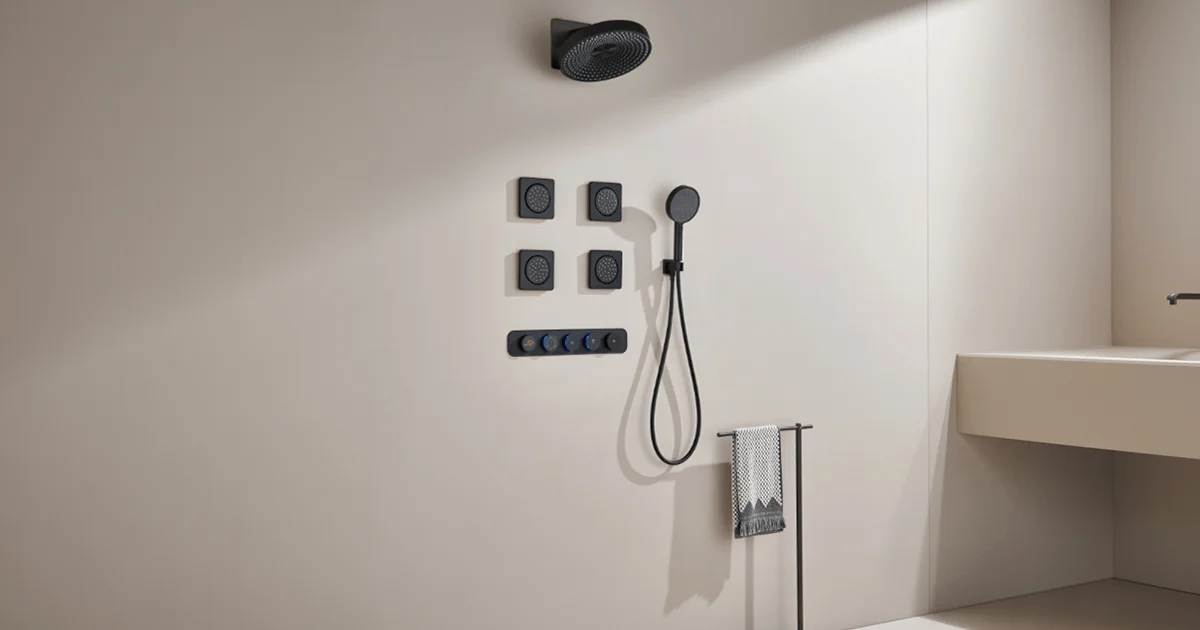
It’s not the most visible part of your bathroom, but it plays one of the most important roles. It controls how water moves, how smoothly your shower works, and ultimately how comfortable your daily routine feels. In modern bathrooms, where design meets functionality, choosing the right diverter is not just a technical decision, it’s part of creating a better everyday experience.
What is a Bathroom Diverter (Quick Answer)
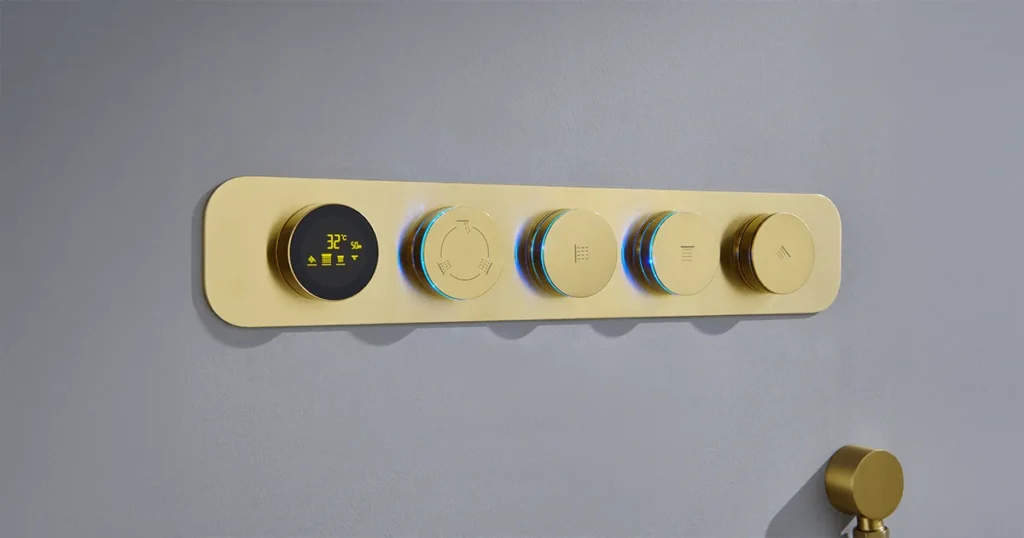
A bathroom diverter is a valve that directs water flow between different outlets such as a showerhead, bathtub spout, or hand shower. It allows users to switch between these functions easily without needing separate plumbing systems.
How a Bathroom Diverter Works
At its core, a bathroom diverter works by redirecting water from one outlet to another. When you turn a lever or rotate a knob, an internal valve shifts position, allowing water to flow in a different direction.
It sounds simple, and in principle it is, but the experience depends entirely on how well that mechanism is designed. A good diverter feels smooth, almost effortless. You don’t have to think about it. You simply switch, and the water responds instantly.
Poorly designed systems, on the other hand, often lead to leaks, pressure imbalance, or incomplete switching. Over time, this small inconvenience becomes a daily frustration.
Types of Bathroom Diverter
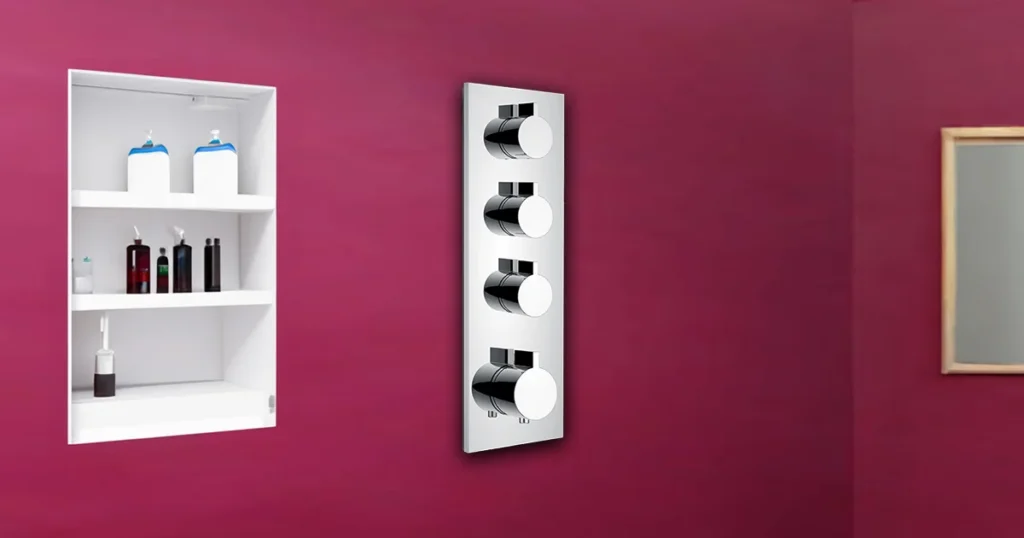
Not all diverters are built the same, and understanding the different types helps you choose what actually fits your space and lifestyle.
2-Way Diverter
A 2-way bathroom diverter is the simplest and most commonly used option. It allows switching between two outlets, usually a showerhead and a bathtub spout.
It works well for compact bathrooms where functionality is straightforward and space is limited.
3-Way Diverter
A 3-way bathroom diverter offers more flexibility. It allows you to switch between multiple outlets such as an overhead shower, hand shower, and spout.
This type is often preferred in modern bathrooms where users want a more versatile and layered shower experience.
Concealed Diverter
A concealed bathroom diverter is designed to stay hidden behind the wall, leaving only the control panel visible.
This creates a clean, minimal look and is ideal for contemporary spaces where aesthetics matter just as much as performance.
Exposed Diverter
An exposed diverter is fully visible and easier to install or maintain. While it may not offer the same seamless appearance as concealed systems, it can be a practical choice for certain setups.
Bathroom Diverter vs Mixer
This is one of the most common points of confusion.
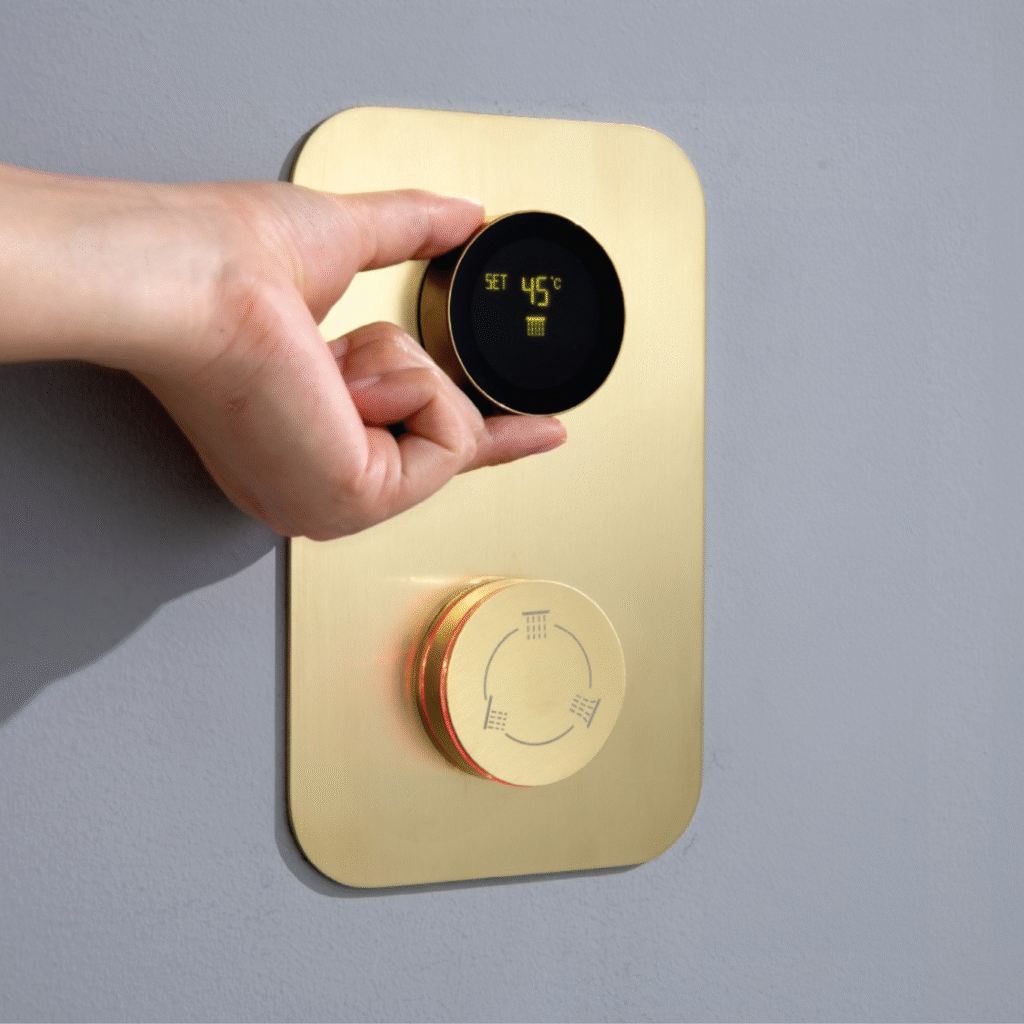
A bathroom diverter controls where the water goes. It directs flow between outlets.
A mixer, on the other hand, controls temperature. It blends hot and cold water to give you the desired temperature.
In most modern bathrooms, both work together. The mixer sets the temperature, and the diverter decides where that water flows.
Understanding this difference helps you make better decisions when planning or upgrading your bathroom.
Benefits of Using a Bathroom Diverter
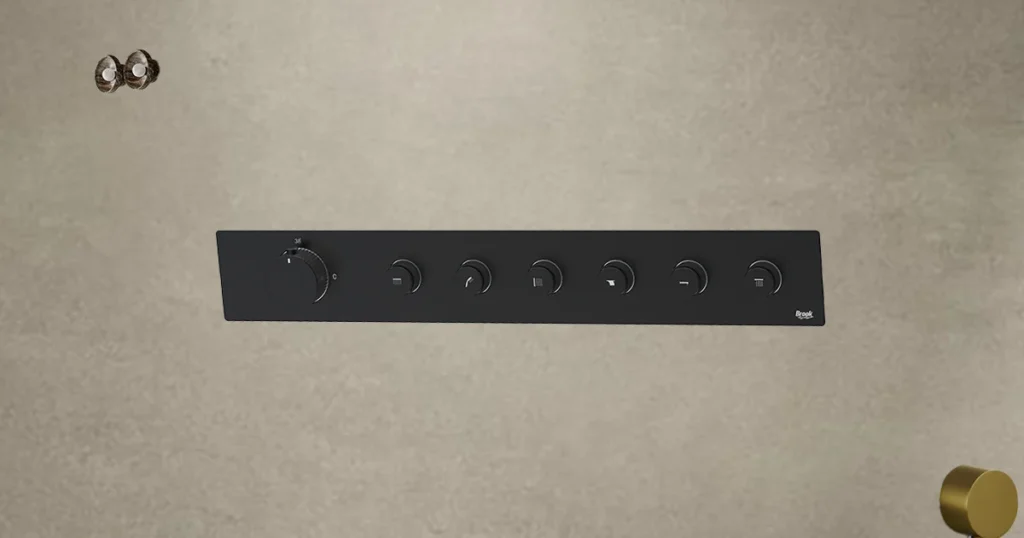
A well-designed bathroom diverter improves your experience in ways that go beyond simple functionality.
It brings convenience into your routine. Instead of adjusting multiple controls, you switch between outlets seamlessly. The transition feels natural, not mechanical.
It also helps in maintaining a cleaner, more organized bathroom. With one system controlling multiple outlets, there’s less visual clutter and fewer fittings interrupting the design.
From a performance perspective, it ensures better control over water flow. You get consistency, whether you are using a shower, hand shower, or spout.
And then there is the design aspect. Modern bathrooms are about balance. A diverter that integrates well enhances both usability and aesthetics without drawing unnecessary attention.
How to Choose the Right Bathroom Diverter
Choosing the right bathroom diverter is less about picking the most advanced option and more about selecting what actually fits your space and usage.
Start by understanding your bathroom layout. If your setup is simple, a 2-way diverter may be enough. If you want multiple shower options, a 3-way system makes more sense.
Water pressure is another important factor. Not all systems perform equally under different pressure conditions, so compatibility matters.
Design preference also plays a role. If you are aiming for a clean, modern look, concealed diverters are usually the better choice.
And then comes durability. Since this is a component you use every day, investing in a well-built system ensures long-term reliability and a smoother experience over time.
Oyster Approach to Bathroom Diverters
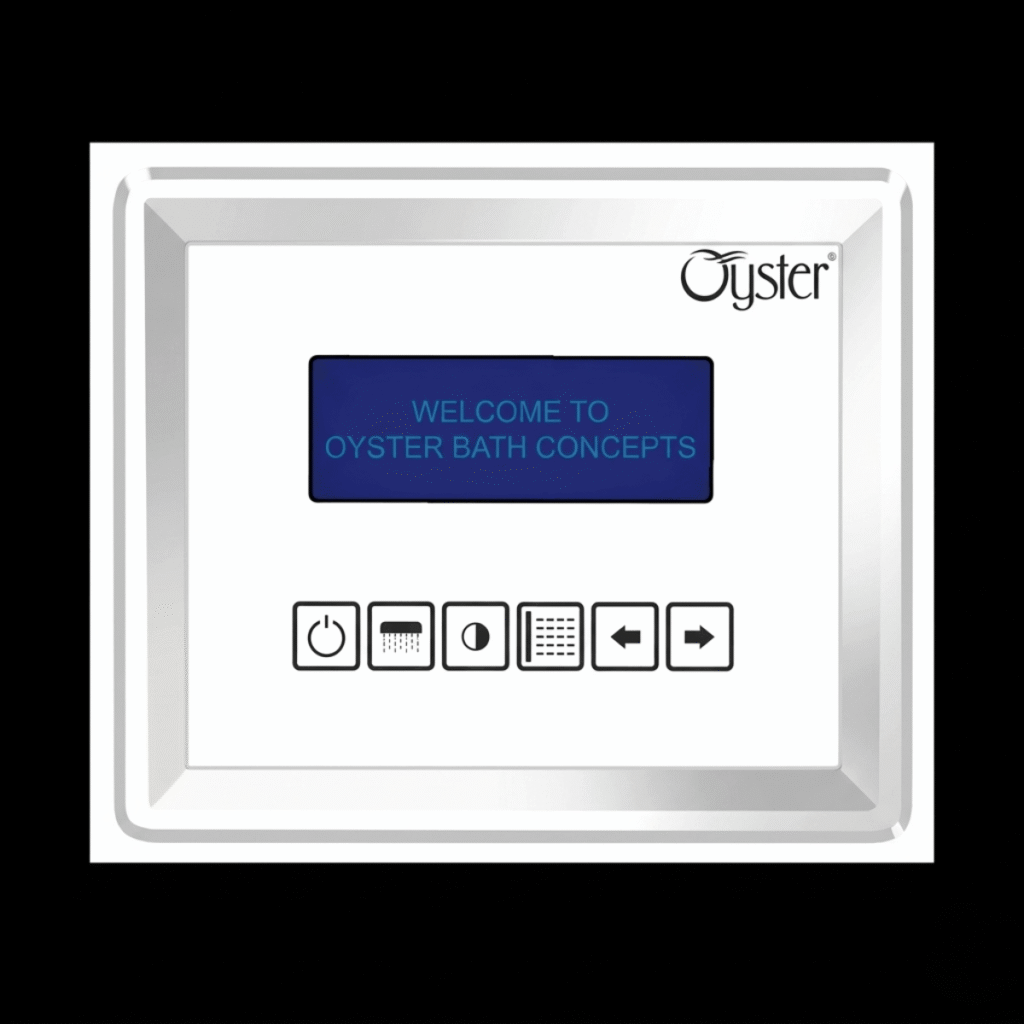
At Oyster Lifestyle, the focus goes beyond just functionality.
A bathroom diverter is treated as part of a larger experience, where design, performance, and durability come together. The goal is not just to create a fitting, but to ensure that every interaction feels smooth, intuitive, and reliable.
This approach reflects in how products are engineered, with attention to detail, material quality, and long-term usability. The result is a system that blends seamlessly into modern bathrooms while delivering consistent performance.
Explore more:
https://oysterlifestyle.com/
Common Mistakes to Avoid When Choosing a Diverter
Many issues people face with bathroom fittings come from small decisions made early on.
Choosing the wrong type of diverter for your setup is one of the most common mistakes. A mismatch between design and usage often leads to inconvenience later.
Ignoring water pressure compatibility can also affect performance. Even a high-quality diverter may not function properly if the system is not aligned with the pressure conditions.
Another mistake is compromising on quality. Since this is a frequently used component, low-quality fittings tend to wear out quickly, leading to leaks or inconsistent performance.
Taking time to make the right choice at the beginning prevents these issues altogether.
Is a Bathroom Diverter Worth It (Quick Answer)
Yes, a bathroom diverter is worth it because it improves functionality, enhances convenience, and allows seamless switching between water outlets, making your daily bathroom experience more efficient and comfortable.
FAQ
What does a bathroom diverter do
A bathroom diverter directs water between different outlets like a showerhead, hand shower, or spout, allowing smooth switching during use.
Which diverter is best for modern bathrooms
Concealed diverters are generally preferred for modern bathrooms due to their clean design and seamless integration.
Can a diverter reduce water pressure
A properly installed and high-quality diverter should not reduce water pressure significantly. Performance depends on system compatibility.
What is the difference between diverter and mixer
A diverter controls water direction, while a mixer controls water temperature. Both serve different but complementary functions.
Conclusion
A bathroom diverter may not be the first thing you think about when designing a space, but it quietly shapes how that space feels every day.
When it works well, everything flows naturally. When it doesn’t, you notice it immediately.
Choosing the right diverter is about more than just plumbing. It’s about creating a bathroom that feels effortless, where design and functionality come together without friction.
If you are planning a new space or upgrading an existing one, getting this small detail right can make a surprisingly big difference.
CTA
Create a bathroom that works as beautifully as it looks.
Explore solutions or get expert guidance here:
https://oysterlifestyle.com/contact